
Physical therapy after ACL reconstruction is not a suggestion. It is the single most important factor in determining whether a patient returns to sport at the same level, at a lower level, or not at all. The surgery itself takes about an hour. The physical therapy program that follows takes nine to twelve months, and every week of that program matters. At Ochsner-Andrews Sports Medicine Institute in Baton Rouge, Louisiana, Dr. Burnham and sports physical therapist Luke Bunch, PT, DPT, OCS, SCS, who leads the ACL Center of Excellence rehabilitation program, use a criteria-based physical therapy protocol that advances patients through structured phases based on objective testing, not arbitrary timelines.
This page explains what ACL physical therapy actually involves: how the protocol is structured, what happens at each stage, how objective testing guides every progression decision, and why the quality of physical therapy matters as much as the quality of the surgery. Whether you are preparing for ACL reconstruction or already recovering, understanding the protocol helps you take ownership of your rehabilitation and make better decisions at every step.
In This Article [show]
- Criteria-Based vs. Time-Based Protocols
- Prehabilitation: Physical Therapy Before Surgery
- What ACL Physical Therapy Actually Looks Like
- The Five Phases of the Ochsner-Andrews ACL Protocol
- Objective Testing: How Progress Is Measured
- Return-to-Play Criteria
- Why Hip and Core Training Is Built Into Every Phase
- How to Choose the Right Physical Therapist
- How Often and How Long: PT Frequency and Duration
- Common Mistakes That Delay Recovery
- The Bottom Line
- References
- Frequently Asked Questions
Criteria-Based vs. Time-Based Protocols: Why It Matters
Most ACL rehabilitation protocols published online follow a time-based model: do these exercises in weeks one through four, progress to these exercises in weeks four through eight, and so on. Time-based protocols assume every patient heals at the same rate, which is not how biology works. Two patients who have the same surgery on the same day may reach the same rehab milestone weeks or months apart depending on their age, graft type, pre-operative conditioning, pain tolerance, and commitment to the home exercise program.
The protocol used at Ochsner-Andrews Sports Medicine Institute is criteria-based. This means a patient does not advance to the next phase until they have met specific, measurable benchmarks confirmed by objective testing. A patient who is not ready at six weeks stays in the current phase. A patient who meets all benchmarks at five weeks can move forward. Research consistently shows that criteria-based rehabilitation produces better functional outcomes and lower re-injury rates than time-based protocols alone (van Melick et al., Br J Sports Med, 2016). Dr. Burnham’s clinical experience confirms this: the patients who rush through phases based on the calendar, rather than earning each progression through testing, are the ones who struggle with persistent weakness, instability, or re-injury later.
Prehabilitation: Physical Therapy Before Surgery
ACL physical therapy does not start after surgery. It starts the moment the diagnosis is made. Prehabilitation, the structured physical therapy program completed before ACL reconstruction, is one of the most underutilized advantages in the entire recovery process. At Ochsner-Andrews, the ACL Center of Excellence protocol requires patients to meet specific pre-operative benchmarks before surgery is even scheduled: full and equal knee extension and flexion compared to the opposite side, improved quadriceps control and activation, a normalized walking pattern without a limp, and minimal pain and swelling.
The evidence behind prehabilitation is strong. Patients who enter surgery with better quadriceps strength and full range of motion recover faster, reach return-to-sport milestones sooner, and report higher satisfaction with their outcomes. The opposite is also true: patients who undergo ACL reconstruction with a swollen, stiff, weak knee face a significantly harder and longer rehabilitation. Dr. Burnham’s standard approach is to delay surgery until these pre-operative criteria are met, because operating on a knee that is not ready leads to a rehabilitation that starts at a deficit.
Prehabilitation typically involves two to four weeks of physical therapy focused on swelling reduction, range of motion restoration, and quadriceps activation. Some patients require longer, particularly those with significant meniscus pathology or bone bruising. The goal is not to build peak strength before surgery; it is to create the best possible foundation so the post-operative rehabilitation can progress efficiently from day one.
What ACL Physical Therapy Actually Looks Like
Patients often arrive at their first physical therapy appointment after ACL surgery unsure of what to expect. Understanding the structure helps set realistic expectations. A typical PT session after ACL reconstruction lasts 45 to 60 minutes and includes several components: a brief assessment of swelling, range of motion, and pain level; manual therapy techniques (soft tissue mobilization, patellar mobilization, joint mobilization as needed); neuromuscular electrical stimulation to activate the quadriceps; a progressive exercise program targeting the specific goals of the current phase; and ice and compression to manage swelling after the session.
The exercises themselves evolve dramatically across the rehabilitation. Early sessions focus on regaining basic motion and muscle activation. Patients are performing quad sets, straight leg raises, and gentle range of motion work. By mid-rehabilitation, sessions look more like athletic training: squats, lunges, deadlifts, balance challenges, and progressive loading. By the final phases, sessions involve plyometrics, agility drills, sport-specific movement patterns, and the objective testing that determines readiness to return to competition. For a detailed breakdown of the specific exercises used in each phase, the Ochsner-Andrews team has published a comprehensive guide.
Physical therapy is not a passive experience. The exercises performed in the clinic represent only a fraction of the total work required. Home exercises, prescribed by the physical therapist and tailored to the current phase, are performed daily. Patients who only do their rehab work during scheduled PT sessions and skip the home program consistently fall behind. Dr. Burnham tells every patient: the surgeon builds the ligament, the physical therapist guides the process, but the patient does the work.
The Five Phases of the Ochsner-Andrews ACL Protocol
The ACL Center of Excellence protocol at Ochsner-Andrews Sports Medicine Institute divides rehabilitation into five distinct phases. Each phase has specific goals, specific exercises, and specific criteria that must be met before advancing. Detailed timelines for each phase are covered in the ACL surgery recovery timeline guide. What follows here is the protocol-level framework that guides every clinical decision.
Phase 1: Protection and Early Motion (approximately weeks 0 to 2). The primary goals are controlling post-operative swelling, restoring full knee extension (getting the knee completely straight), achieving 90 degrees of flexion, and activating the quadriceps. Full extension is the single most critical early goal. Patients who lose even a few degrees of extension in the first two weeks face a mechanical problem that becomes exponentially harder to correct over time. Neuromuscular electrical stimulation is initiated immediately to combat the reflex inhibition of the quadriceps that occurs after knee surgery.
Phase 2: Range of Motion Restoration and Early Strengthening (approximately weeks 2 to 6). The focus shifts to achieving full range of motion equal to the opposite knee, transitioning off crutches with a normalized gait pattern, and beginning closed-chain strengthening exercises. Closed-chain exercises, where the foot is planted on the ground or a fixed surface, are emphasized because they load the knee in a more controlled pattern and place less stress on the healing graft. Criteria to advance: full and symmetrical range of motion, no swelling, and the ability to perform a bodyweight squat with good mechanics.
Phase 3: Progressive Strengthening (approximately months 2 to 4). This is where the intensive muscle rebuilding begins. The quadriceps, hamstrings, hip abductors, hip external rotators, and core musculature are all systematically loaded with progressive resistance. At the three-month mark, formal isokinetic strength testing is performed to establish baseline limb symmetry indices. The Ochsner-Andrews protocol requires quadriceps and hamstring limb symmetry of at least 70% at three months to advance. Open-chain knee extension is introduced cautiously during this phase, typically starting with a restricted arc of motion.
Phase 4: Sport-Specific Training (approximately months 4 to 6). Once adequate strength baselines are achieved, the protocol introduces running, agility work, and sport-specific movement patterns. Running is not cleared by the calendar; it is cleared by objective testing. At Ochsner-Andrews, patients must demonstrate quadriceps limb symmetry index of at least 80%, pass a single-leg step-down test with symmetrical performance, and show no compensatory movement patterns before running is initiated. Early running begins on a treadmill with a structured interval program before progressing to outdoor and field-based running.
Phase 5: Return to Sport (approximately months 6 to 12). The final phase focuses on achieving the objective benchmarks required for full clearance to return to competitive sport. This is not a single test; it is a comprehensive battery of assessments that must all be passed. The specific return-to-play criteria used at Ochsner-Andrews are detailed below.
Objective Testing: How Progress Is Measured
One of the most important features of a high-quality ACL rehabilitation program is the use of objective testing at defined intervals throughout the process. The Ochsner-Andrews ACL Center of Excellence performs formal testing at three months, six months, and prior to return-to-sport clearance, administered by Bunch and the rehabilitation team using standardized protocols. These are not subjective evaluations; they are quantified, standardized assessments that produce numerical scores used to guide every progression decision.
Isokinetic strength testing uses a dynamometer (Biodex) to measure the peak torque produced by the quadriceps and hamstrings at standardized speeds (60 degrees per second and 300 degrees per second). The result is expressed as a limb symmetry index (LSI), comparing the surgical leg to the non-surgical leg. Research by Dr. Burnham’s team at the University of Pittsburgh demonstrated that isokinetic strength testing reveals clinically meaningful strength asymmetries between graft types, with some patients meeting return-to-play thresholds at different timepoints depending on graft choice (Hughes, Burnham, et al., Orthop J Sports Med, 2019).
Hip strength testing at Ochsner-Andrews includes hip abduction and hip external rotation strength at the same speeds, reflecting Dr. Burnham’s research demonstrating that hip and core deficits are directly linked to the movement patterns that cause ACL injuries and re-injuries. The Ochsner-Andrews protocol requires greater than 90% symmetry in quadriceps, hamstring, hip abduction, and hip external rotation strength before functional hop testing is even initiated (Burnham, Drazick, Aminake, et al., IJSPT, 2026).
Functional hop testing includes four standardized tests: the single hop for distance, triple hop for distance, crossover hop for distance (three hops), and 6-meter timed hop. Each test is performed on both legs, and the limb symmetry index must reach 95% or greater. These hop tests assess not just power and distance but also the patient’s confidence, neuromuscular control, and landing mechanics under dynamic conditions. The hop test battery has been validated extensively in the ACL rehabilitation literature and is part of Dr. Burnham’s published return-to-play criteria.
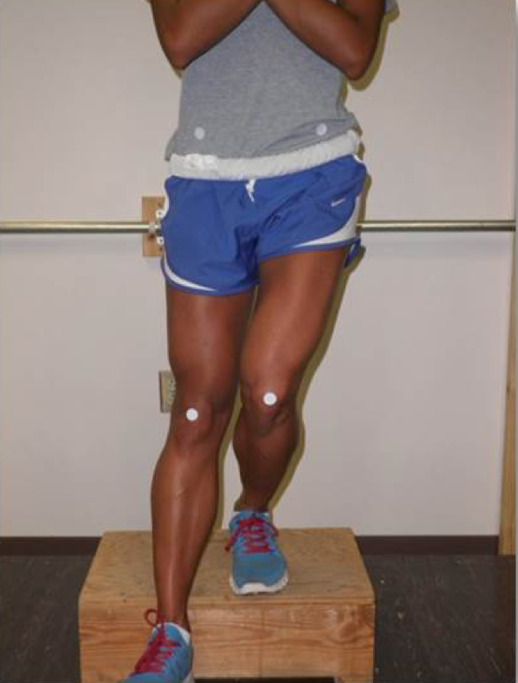
The Single-Leg Step-Down Test (SLSD) is a timed 60-second assessment used at Ochsner-Andrews to evaluate dynamic knee control, hip stability, and neuromuscular coordination during a functional movement. The protocol requires a limb symmetry index greater than 95% and an absolute value greater than 30 qualifying repetitions. Recent research from the Ochsner-Andrews team using three-dimensional markerless motion capture has shown that SLSD performance significantly correlates with hip and knee biomechanics, confirming its clinical utility as an accessible screening tool that reflects deeper movement quality issues.
Psychological readiness testing uses the ACL Return to Sport after Injury (ACL-RSI) scale, a validated questionnaire that scores a patient’s psychological readiness to return to competition on a 0-to-100 scale. The Ochsner-Andrews protocol requires a score greater than 75. This threshold is clinically important: patients who return to sport with low psychological readiness scores have higher rates of re-injury and lower rates of returning to their pre-injury performance level, even when they pass every physical test.
Return-to-Play Criteria
The return-to-play criteria used at Ochsner-Andrews Sports Medicine Institute represent the culmination of the entire rehabilitation process. These are not arbitrary thresholds; they are evidence-informed benchmarks that have been refined through clinical experience and published research. A patient must pass every criterion before being cleared for full, unrestricted return to competitive sport:
1. ACL-RSI score greater than 75 (psychological readiness to return to sport).
2. Timed 60-second Single-Leg Step-Down Test: limb symmetry index greater than 95% and absolute value greater than 30 qualifying repetitions.
3. Hop test battery (95% limb symmetry on all four tests): 6-meter timed hop, crossover hop for distance, triple hop for distance, and single hop for distance.
4. Running T-test completed in less than 11 seconds.
Criteria required before functional and hop testing can be initiated: greater than 90% quad symmetry, greater than 90% hamstring symmetry, greater than 90% hip abduction symmetry, and greater than 90% hip external rotation symmetry (all measured via isokinetic or handheld dynamometry at 60 and 300 degrees per second); full range of motion; no visible effusion or quadriceps atrophy. If isokinetic or handheld dynamometry is not available, 95% symmetry of 1-rep max on a standard open-chain exercise machine can be substituted.
These criteria are posted in every physical therapy room and reviewed with every patient by Bunch and the rehabilitation team at the start of their rehabilitation so they understand exactly what they are working toward. Transparency about the objective benchmarks helps patients stay motivated through the long middle months of rehabilitation when the knee feels better than the numbers indicate.
Why Hip and Core Training Is Built Into Every Phase
Traditional ACL rehabilitation focused almost exclusively on the knee: quadriceps strengthening, hamstring strengthening, and range of motion. Modern evidence, including research from Dr. Burnham’s group, has demonstrated that the hip and core musculature play a critical and independent role in ACL injury risk, recovery, and re-injury prevention.
A comprehensive review published by Dr. Burnham and colleagues in the International Journal of Sports Physical Therapy examined the relationship between hip abduction strength, hip extension strength, trunk neuromuscular control, and dynamic knee valgus, the inward collapse of the knee that is the primary biomechanical mechanism of non-contact ACL injury. The findings showed that reduced hip and core strength directly predicts the valgus patterns linked to ACL tears and re-tears, and that multi-component neuromuscular training programs emphasizing hip and core strengthening reduce knee ligament injury rates by 20% to 60% (Burnham, Drazick, Aminake, Johnson, Ireland, Noehren, IJSPT, 2026).

This is why the Ochsner-Andrews protocol includes hip and core exercises in every phase of rehabilitation, not just the later sport-specific phases. Hip abduction, hip external rotation, trunk stabilization, and single-leg balance work are prescribed from Phase 2 onward and are progressively loaded alongside the traditional knee-focused exercises. Patients must achieve greater than 90% limb symmetry in hip abduction and hip external rotation strength before they are even allowed to begin hop testing. This is not supplementary work; it is a core component of the protocol.
Dr. Burnham’s earlier research at the University of Pittsburgh developed the hip external rotation hop test, a clinical tool that assesses the contribution of hip rotational control to functional performance after ACL reconstruction. That work demonstrated that hip strength deficits persist after ACL surgery even when quadriceps strength has recovered, reinforcing the need for targeted hip rehabilitation throughout the entire protocol (Kline, Burnham, et al., KSSTA, 2018).
How to Choose the Right Physical Therapist
Not all physical therapy is the same, and the quality of post-operative rehabilitation is one of the strongest predictors of long-term outcomes after ACL reconstruction. Choosing the right physical therapist is as important as choosing the right surgeon. The ACL Center of Excellence at Ochsner-Andrews Sports Medicine Institute is led by Luke Bunch, DPT, OCS, SCS, who coordinates the rehabilitation program and works directly with Dr. Burnham to ensure every patient’s protocol is individualized and evidence-based.
When evaluating a physical therapist for ACL rehabilitation, whether at Ochsner-Andrews or elsewhere, several factors distinguish high-quality ACL rehab programs from generic post-surgical PT. The therapist should use a criteria-based protocol with defined objective benchmarks at each phase, not a time-based “cookbook” approach. They should have access to isokinetic dynamometry (Biodex or equivalent) for formal strength testing. They should include hip and core strengthening as a mandatory component, not an optional add-on. They should incorporate sport-specific training in the later phases tailored to the patient’s actual sport. And they should use validated return-to-play testing, including hop tests, agility tests, and psychological readiness screening, before clearing an athlete for competition.
Board-certified specialists in orthopaedic (OCS) or sports (SCS) physical therapy have completed additional training and examination beyond their entry-level degree and are more likely to follow evidence-based ACL rehabilitation protocols. These credentials are not required, but they signal a therapist who has invested in advanced sports medicine training.
How Often and How Long: PT Frequency and Duration
The frequency and duration of physical therapy after ACL reconstruction varies by phase. In the early weeks (Phase 1 and 2), patients typically attend physical therapy two to three times per week. As the rehabilitation progresses into the strengthening phases, the frequency may reduce to two times per week with increased emphasis on independent gym-based exercises and the home program. In the sport-specific and return-to-sport phases, sessions may shift to once or twice per week with a greater proportion of the training happening in the gym, on the field, or in the Ochsner-Andrews Elite Training Complex.
Total duration of the physical therapy program is typically nine to twelve months for athletes returning to cutting and pivoting sports (football, basketball, soccer, lacrosse). Patients returning to linear sports or recreational activity may achieve clearance somewhat earlier. The timeline is determined entirely by when the patient meets the objective return-to-play criteria, not by an arbitrary calendar date.
Insurance coverage for physical therapy after ACL reconstruction varies. Most plans cover a defined number of visits per year, often 20 to 60, depending on the plan. For a nine-to-twelve-month rehabilitation involving two to three sessions per week, total visits may reach 60 to 100. Patients should verify their coverage early and plan accordingly, as some athletes transition to independent training programs guided by the PT but performed at a gym or training facility to manage visit counts.
Common Mistakes That Delay Recovery
After guiding hundreds of athletes through ACL rehabilitation, the team at Ochsner-Andrews has identified patterns that consistently slow recovery. Awareness of these common mistakes can help patients avoid setbacks.
Skipping prehabilitation. Patients who undergo surgery on a swollen, stiff, weak knee spend the first several weeks of post-operative rehab just getting back to where they could have started. Pre-operative physical therapy shortens total recovery time and improves outcomes.
Neglecting extension in the first two weeks. Full knee extension (0 degrees, matching the opposite side) must be restored immediately after surgery. Every day that full extension is not achieved makes it harder to regain. Loss of extension is the number one preventable complication after ACL reconstruction.
Advancing based on how the knee feels rather than what the tests show. Around months three to four, most patients report that their knee feels “normal.” Isokinetic testing at that same time point typically shows quadriceps strength at 60 to 75% of the opposite side. The knee is lying to them. Objective testing prevents premature progression.
Skipping the home exercise program. Formal PT sessions alone are not enough volume to restore full strength and function. The daily home exercises, especially during the strengthening phases, represent the majority of the total rehabilitation workload.
Returning to sport without objective clearance testing. Athletes who return to cutting and pivoting sports based on a surgeon’s clinical impression alone, without formal hop testing, strength testing, and psychological readiness assessment, face a significantly higher risk of re-injury. Published data shows that passing a comprehensive return-to-sport test battery reduces re-injury risk by up to 84% (Grindem et al., Br J Sports Med, 2016).
The Bottom Line
ACL physical therapy is a structured, progressive, criteria-based program that takes nine to twelve months and demands consistent effort from the patient, the physical therapist, and the surgical team. The protocol used at Ochsner-Andrews Sports Medicine Institute in Baton Rouge, Louisiana reflects current evidence and clinical experience from Dr. Burnham’s research and practice. It integrates objective strength testing, hip and core rehabilitation, validated return-to-play criteria, and psychological readiness screening into a comprehensive program designed to get athletes back to their sport safely. The surgery creates the opportunity. The physical therapy protocol is what turns that opportunity into a real comeback.
References
1. Burnham JM, Drazick AT, Aminake G, Johnson DL, Ireland M, Noehren BW. Current Concepts in Hip and Core Assessment to Reduce the Risk of ACL Injury. International Journal of Sports Physical Therapy. 2026;21(2):210-222. doi:10.26603/001c.155471
2. Hughes JD, Burnham JM, Hirsh A, Musahl V, Fu FH, Irrgang JJ, Lynch AD. Comparison of Short-term Biodex Results After Anatomic Anterior Cruciate Ligament Reconstruction Among 3 Autografts. Orthopaedic Journal of Sports Medicine. 2019;7(5):2325967119847630. PMID: 31211150
3. Kline PW, Burnham JM, Yonz MC, Johnson DL, Ireland ML, Noehren B. Hip External Rotation Strength Predicts Hop Performance After Anterior Cruciate Ligament Reconstruction. Knee Surgery, Sports Traumatology, Arthroscopy. 2018;26(4):1137-1144. PMID: 28378137
4. van Melick N, van Cingel REH, Brooijmans F, et al. Evidence-Based Clinical Practice Update: Practice Guidelines for Anterior Cruciate Ligament Rehabilitation Based on a Systematic Review and Multidisciplinary Consensus. British Journal of Sports Medicine. 2016;50(24):1506-1515. PMID: 27539507
5. Grindem H, Snyder-Mackler L, Moksnes H, Engebretsen L, Risberg MA. Simple Decision Rules Can Reduce Reinjury Risk by 84% After ACL Reconstruction: The Delaware-Oslo ACL Cohort Study. British Journal of Sports Medicine. 2016;50(13):804-808. PMID: 27162233
Frequently Asked Questions
How long does physical therapy last after ACL surgery?
Physical therapy after ACL reconstruction typically lasts nine to twelve months for athletes returning to cutting and pivoting sports like football, basketball, and soccer. The exact duration depends on when the patient meets all objective return-to-play criteria, including strength testing, hop testing, and psychological readiness, rather than a fixed calendar date. Patients returning to lower-demand activities may achieve clearance somewhat earlier.
How many times a week should I go to physical therapy after ACL reconstruction?
In the first six weeks after surgery, most patients attend physical therapy two to three times per week. As rehabilitation progresses into the strengthening and sport-specific phases, formal PT sessions may reduce to one to two times per week as independent gym-based training increases. The home exercise program should be performed daily throughout the entire rehabilitation regardless of PT session frequency.
What is the difference between criteria-based and time-based ACL rehabilitation?
Time-based protocols advance patients through phases based on weeks since surgery, assuming everyone heals at the same rate. Criteria-based protocols, like the one used at Ochsner-Andrews Sports Medicine Institute, require patients to pass specific objective tests, such as strength measurements and functional assessments, before advancing to the next phase. Criteria-based rehabilitation produces better functional outcomes and lower re-injury rates because it matches the rehabilitation progression to each individual patient’s actual healing and strength recovery.
When can I start running after ACL surgery?
Running is typically cleared around four to five months after ACL reconstruction, but only after meeting specific objective criteria. At Ochsner-Andrews, patients must demonstrate at least 80% quadriceps limb symmetry index on isokinetic testing, pass a single-leg step-down test with symmetrical performance, and show no compensatory movement patterns. Running begins on a treadmill with a structured interval program before progressing to outdoor and sport-specific running. The timing is determined by testing results, not the calendar.
What tests are used to clear an athlete to return to sport after ACL reconstruction?
The return-to-play criteria at Ochsner-Andrews Sports Medicine Institute include: an ACL-RSI psychological readiness score greater than 75, a timed single-leg step-down test with greater than 95% limb symmetry, four hop tests (single hop, triple hop, crossover hop, 6-meter timed hop) all at 95% or greater limb symmetry, a running T-test completed in under 11 seconds, and isokinetic strength testing showing greater than 90% symmetry in quadriceps, hamstrings, hip abduction, and hip external rotation. All criteria must be met before clearance is granted.
About the Author
Jeremy M. Burnham, MD is a board-certified orthopedic surgeon and Director of Sports Medicine at Ochsner-Andrews Sports Medicine Institute in Baton Rouge, Louisiana, specializing in ACL reconstruction and sports medicine rehabilitation. Following his orthopedic surgery residency at the University of Kentucky, he completed his sports medicine fellowship at the University of Pittsburgh Medical Center (UPMC), where he trained under the late Dr. Freddie Fu, a pioneer of anatomic ACL reconstruction, Dr. James Bradley, a renowned sports medicine surgeon and longtime professional team orthopedist, and Dr. Volker Musahl, an internationally recognized ACL surgeon and researcher. His team physician experience spans professional sports teams, the University of Pittsburgh, and Southern University. With 127 peer-reviewed publications, book chapters, and scientific presentations, Dr. Burnham is the most published ACL surgeon in Louisiana. His research focuses on advancing ACL reconstruction, optimizing return-to-sport outcomes, and pioneering injury prevention, and has been recognized with the Game Changer Award from the Arthritis Foundation and the Playmaker Award from AOSSM. He serves as a site principal investigator for two federally funded clinical trials (NIH STABILITY 2 and Department of Defense STaR Trial). View full credentials and publications.
Related Rehabilitation Protocols
The Ochsner-Andrews Sports Medicine Institute maintains evidence-based rehabilitation protocols for the full range of orthopedic injuries. In addition to the ACL protocol above, patients and providers can reference shoulder rehabilitation and postoperative protocols, elbow rehabilitation protocols, baseball throwing program progressions, sports hip injury protocols, foot and ankle protocols, and general postoperative discharge instructions.