
If you are experiencing pain in your bones, muscles, or joints, you may be wondering what does an orthopedist do.
Orthopedic surgeons are medical doctors who specialize in diagnosing and treating injuries and diseases of the musculoskeletal system, which includes bones, joints, ligaments, muscles, and tendons. They typically work with patients who have suffered a sports injury, been in an accident, or are experiencing chronic pain.
Orthopedic surgeons use a variety of treatments, including medication, physical therapy, and surgery. In some cases, they may also recommend lifestyle changes or alternative therapies. If you are considering orthopedic surgery, it is important to consult with an experienced surgeon to discuss your options and ensure that the procedure is the best option for you.
Orthopedic Surgeons 101
Orthopedic surgeons are physicians with special expertise in the muscle, bone, and joint system which includes the body’s bones, joints, cartilage, tendons, and muscles. These body parts play a vital role in movement. There are 206 bones in the human body, and even more ligaments, tendons, joints, and muscles, making it an extremely intriguing specialty.
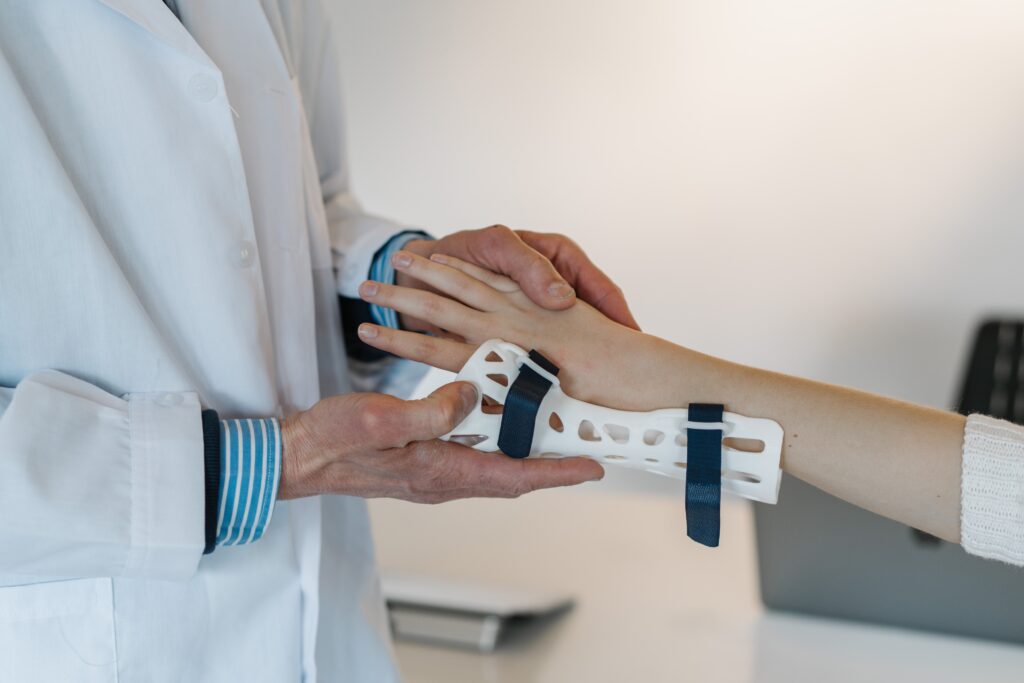
Orthopedist vs. Orthopedic Surgeon: What’s the Difference?
Many people use the terms “orthopedist” and “orthopedic surgeon” interchangeably — and in most contexts, they refer to the same type of physician. Both are medical doctors (MDs or DOs) who have completed specialized training in the diagnosis and treatment of musculoskeletal conditions. However, there are some nuances worth understanding:
| Term | Definition | Performs Surgery? |
|---|---|---|
| Orthopedist | A broad term for a physician specializing in the musculoskeletal system. May or may not be a surgeon. | Not always |
| Orthopedic Surgeon | An orthopedic physician who has completed surgical training and is qualified to perform operations on bones, joints, and soft tissues. | Yes |
| Non-operative Orthopedist | An orthopedic specialist (often a Primary Care Sports Medicine physician) who focuses on non-surgical treatment: injections, bracing, physical therapy, and rehabilitation. | No |
In practice, most orthopedic surgeons — including fellowship-trained sports medicine specialists like Dr. Jeremy Burnham — provide both surgical and non-surgical care, and the majority of their patients are treated without surgery.
What Conditions Does an Orthopedist Treat?
Orthopedists treat an enormous range of musculoskeletal conditions. Common conditions treated by orthopedic surgeons and specialists include:
- Knee injuries: meniscus tears, ACL tears, patellar dislocations, cartilage damage, knee arthritis
- Shoulder injuries: rotator cuff tears, shoulder dislocations, labral tears, shoulder impingement
- Ankle and foot conditions: peroneal tendonitis, Achilles tendon tears, ankle sprains and instability
- Hip conditions: hip arthritis, hip labral tears, hip impingement (FAI)
- Fractures and trauma: broken bones, dislocations, stress fractures
- Spine conditions: herniated discs, spinal stenosis, scoliosis (typically managed by spine subspecialists)
- Arthritis: osteoarthritis, rheumatoid arthritis, inflammatory joint disease
- Tendon and ligament injuries: sprains, strains, tendon ruptures
- Overuse injuries: bursitis, tendinitis, stress fractures
Orthopedist vs. Chiropractor vs. Physical Therapist vs. Sports Medicine Doctor
Patients with musculoskeletal pain often wonder which type of provider is the right fit for their condition. The table below compares four common providers who treat bone, joint, and muscle problems, highlighting their training, scope of practice, and when each is the best choice.
| Feature | Orthopedist / Orthopedic Surgeon | Chiropractor | Physical Therapist | Primary Care Sports Medicine Doctor |
|---|---|---|---|---|
| Degree | MD or DO | DC (Doctor of Chiropractic) | DPT (Doctor of Physical Therapy) | MD or DO |
| Years of training after college | 9-10 years (medical school + residency + fellowship) | 4 years (chiropractic school) | 3 years (DPT program) | 7-8 years (medical school + residency + fellowship) |
| Can prescribe medication? | Yes | No | No | Yes |
| Can perform surgery? | Yes | No | No | No |
| Can order imaging (X-ray, MRI)? | Yes | Limited (X-ray in some states) | No (can refer for imaging in some states) | Yes |
| Primary focus | Diagnosis and treatment (surgical and non-surgical) of musculoskeletal conditions | Spinal alignment and joint manipulation | Rehabilitation, movement, and functional recovery | Non-surgical diagnosis and treatment of sports and musculoskeletal injuries |
| Best for | Fractures, ligament tears, joint replacement, complex injuries requiring diagnosis or surgery | Back and neck pain, spinal stiffness, headaches related to spinal tension | Post-surgical rehab, injury recovery, chronic pain management, movement restoration | Sports injuries, concussions, overuse injuries, injection therapies when surgery is not needed |
| When to see this provider | When you need a definitive diagnosis, when surgery may be needed, or when a condition has not improved with conservative care | For spinal or joint stiffness and pain that may benefit from manual manipulation | After injury or surgery to restore strength, flexibility, and function | For sports or activity-related injuries that are likely to be managed without surgery |
In many cases, these providers work together as part of a comprehensive treatment team. For example, an orthopedic surgeon may perform a ligament reconstruction, and a physical therapist manages the rehabilitation afterward, while a sports medicine doctor coordinates non-surgical aspects of care. If you are unsure where to start, seeing an orthopedic specialist for an initial evaluation can help determine the right treatment path. Dr. Burnham’s practice in Baton Rouge provides both surgical and non-surgical care and works closely with physical therapists and athletic trainers to ensure coordinated treatment.
Types of Orthopedic Doctors
There are several subspecialties of orthopedic doctors. Most of the time, when orthopedic doctors specialize in a specific field of musculoskeletal conditions, they will spend an extra year or longer completing a fellowship program of specialized training in that specific medical field of orthopaedic conditions.
1. Sports Medicine Specialists
Orthopedic doctors who specialize in treating injuries and illnesses associated with sports or athletics are known as sports medicine experts. This covers every injury you might get when exercising or participating in a sport, as well as any conditions you might acquire in a similar setting. Sports medicine surgeons perform arthroscopic surgery, meniscus surgery, cartilage repair, ligament repair or reconstruction (such as ACL reconstruction), shoulder surgery, rotator cuff repair, labral repair, hip arthroscopy, and more.
2. Hand Specialists
Hand surgeons provide treatment for wrist and hand issues. They may suggest physical therapy, drugs, injections, or the use of a brace, splint, or cast after assessing your particular issue. They might also carry out therapeutic operations like surgery. Carpal tunnel syndrome, arthritis, trigger finger, Dupuytren’s contracture, hand or wrist fractures, ganglion cysts, and sprained or broken fingers are all conditions that hand surgeons can treat.
3. Pediatric Orthopedic Specialists
Pediatric orthopedic surgeons diagnose and treat a variety of pediatric and adolescent disorders. Congenital abnormalities, scoliosis, cerebral palsy, shattered bones, sports injuries, hip dysplasia, and foot and ankle conditions that impede movement are some examples.

4. Joint Preservation Specialists
Focusing on joint preservation is one more specialty of orthopedic specialists. Although there is much overlap with sports injuries and specialists, this is still a distinctive field of study. It comprises numerous treatments to treat arthritis and other degenerative conditions of the bones or ligaments, as well as arthroscopic rebuilding of the ligaments in the hip and knee.
5. Joint Replacement Specialists
Joint replacement surgeons specialize in the surgical replacement of damaged joints. This most commonly includes performing hip and knee replacements.
6. Spine Specialists
A spinal fusion may be carried out by an orthopedic spine surgeon for a variety of back and neck issues, including scoliosis and damage to the vertebrae or intervertebral disks. A surgical procedure called spinal fusion joins adjacent vertebrae of the spine. Through this process, the vertebrae can unite to form a single, sturdy bone mass.
7. Orthopedic Trauma Specialists
An orthopedic trauma specialist is an orthopaedic surgeon who specializes in the diagnosis and treatment of traumatic injuries to the musculoskeletal system. This includes fractures, dislocations, and other serious injury that occurs due to trauma.
8. Foot & Ankle Specialists
Foot and ankle specialists treat all conditions of the foot and ankle, including tendon injuries, ankle fractures, plantar fasciitis, and Achilles tendon conditions.
The Value of Sub-specialists
Often an orthopedist subspecialist treating one particular body organ or condition is the best possible treatment option for an injured person. Subspecialists gain extensive experience within their specialty areas. In some situations, it may be necessary to navigate complicated and risky matters as soon as possible.
Subspecialization is crucial when surgical intervention is needed. In some cases orthopedics has moved beyond subspecialization to hyperspecialization, which means they see and treat cases that other medical practitioners are incapable of addressing.
Surgeon or Primary Care Sports Medicine Specialist
An orthopedic surgeon can help diagnose orthopedic problems without surgery, and many medical conditions can be effectively treated without surgery. A primary care doctor can also evaluate and treat a broad range of musculoskeletal conditions including soft tissue injury, range of motion problems, joint pain, muscle pain, motion pain, shoulder trouble, and difficulty with everyday tasks.
A primary care physician or non-operative orthopedic specialist can treat injuries caused by physical activity, rheumatoid arthritis, and more. Many times they are experienced at developing treatment plans that include non surgical treatments for knee pain, tendon tears, injury or pain that makes it difficult to perform everyday tasks, or other non-surgical treatment.
Robust Resources
Look for orthopedic specialists who offer quality healthcare. In addition the specialists whose organizations carry out clinical investigations may find more opportunities to improve patient services. They are surrounded by numerous medical tools that cover diagnosis, rehabilitation, pain management, and medicine.
Aside from this, they will often manage your care coordination for you, and will keep tabs on your appointments across different specialties. Visiting an orthopedic doctor can be intimidating at first, but take comfort in knowing that orthopedic doctors are highly-trained, compassionate physicians who care about restoring mobility, restoring range of motion, enhancing your function and activity level, and trying to eliminate pain, or at least improve it.
Tell Me the Role of an Orthopedic Doctor?
An orthopedic doctor is a physician whose specialty is the care and treatment of bone and joint structures, ligaments, nerves, and muscles. These components in your body can be called your musculoskeletal system or muscles. Orthopedic physicians treat this part of the body:
Do Orthopedic Doctors Have to Perform Surgery?
Many people believe orthopedic surgeons will prescribe surgical treatment only. However, surgery is not recommended unless it is medically indicated. It often isn’t a part of the treatment plan until other non-surgical options have failed. Instead your orthopedics specialist may prescribe non-operative treatments such as:
- Physical therapy or rehabilitation
- Cryotherapy
- Injections
- Bracing
- Anti-inflammatory medications
- Anti-inflammatory diets
- Orthobiologics
- Alternative treatment options such as yoga or acupuncture
- Pain management
Ultimately, the treatment plan will never be dictated to you. It will be arrived at collaboratively as a shared-decision making process.
When should I see an Orthopedic Doctor?
There are a number of different orthopedic doctors who specialize in different areas of the body. When deciding when to see an orthopedic doctor, it is important to consider the specific problem that you are experiencing.
For example, if you are experiencing pain in your joints, you may want to see a doctor who specializes in arthritis. If you have suffered a fracture or other bone injury, you will need to see an orthopedic trauma surgeon. By visiting a specialist, you can ensure that you receive the best possible treatment for your specific condition.
In general, you should consider seeing an orthopedist if you have: joint pain that limits daily activities, a sports injury that is not improving with rest, swelling or instability in a joint, a suspected fracture, or a condition like a meniscus tear or patellar dislocation that may require specialized evaluation.
Luckily, your medical doctor will probably recommend an orthopedist if your condition requires it. In the event your injury is assessed at a hospital, the hospital, emergency room, or urgent care provider will refer you to an orthopedist. In most cases, you can also schedule your own appointment.
Education and Training (Including Video)
An orthopedic surgeon is a highly-trained physician who has completed a minimum of 13 years of study after high school (14 years if fellowship-trained). This includes 4 years of college, 4 years of medical school, 5 years of orthopedic surgery residency, and 1 year of fellowship.
After two years of practice, orthopedists have the opportunity to become board certified if they pass a stringent set of requirements.

FAQ. Frequently Asked Questions
What is the difference between a doctor and an orthopedic doctor?
A general practice or primary care physician provides broad medical care across all body systems. An orthopedic doctor (orthopedist or orthopedic surgeon) is a specialist who focuses exclusively on the musculoskeletal system — bones, joints, ligaments, muscles, and tendons. Orthopedic doctors have completed 5 additional years of residency training in orthopedic surgery after medical school, and many have completed an additional 1-year fellowship in a subspecialty such as sports medicine, joint replacement, or spine surgery.
What is the difference between an orthopedist and an orthopedic surgeon?
In everyday language, ‘orthopedist’ and ‘orthopedic surgeon’ are often used interchangeably to describe a physician who has completed orthopedic surgery residency training. However, technically, an ‘orthopedist’ is any specialist in orthopedics, which can include non-operative specialists. An ‘orthopedic surgeon’ specifically refers to someone who performs surgical procedures. Most orthopedic surgeons treat the majority of their patients non-surgically and only operate when indicated.
What is an orthopedic person called?
A physician who specializes in orthopedics is called an orthopedist or orthopedic surgeon. The word ‘orthopedic’ comes from the Greek words ὀρθός (orthos), meaning ‘correct’ or ‘straight’, and παιδίον (paidion), meaning ‘child’ — reflecting the field’s historical roots in correcting deformities in children. Today, orthopedic care encompasses all ages and a wide range of musculoskeletal conditions from sports injuries to arthritis to fractures.
What are common orthopedic conditions?
Common conditions treated by orthopedic doctors include: osteoarthritis, rheumatoid arthritis, ACL and ligament tears, meniscus tears, rotator cuff tears, shoulder dislocations, patellar dislocations, fractures, cubital tunnel syndrome, carpal tunnel syndrome, knee pain, back pain, medial epicondylitis (golfer’s elbow), lateral epicondylitis (tennis elbow), bursitis, tendinitis, and stress fractures.
Why would you see an orthopedist?
You should see an orthopedist if you are experiencing musculoskeletal pain, injury, or dysfunction that is limiting your daily activities or not improving with rest. Common reasons include: joint pain from arthritis or injury, a sports injury such as a ligament or meniscus tear, a suspected fracture, shoulder or rotator cuff problems, knee instability or swelling, and tendon or ligament injuries. An orthopedist uses physical examination, X-rays, and MRI to reach a diagnosis and develop a personalized treatment plan — which may or may not involve surgery.
What does an orthopedic doctor focus on?
Orthopedic doctors focus on the musculoskeletal system, which includes the bones, joints, muscles, ligaments, and tendons. They work to diagnose and treat conditions that affect these areas of the body. Orthopedic doctors treat both acute injuries (fractures, dislocations, ligament tears) and chronic conditions (arthritis, tendinosis, bursitis). Their goal is to restore function, reduce pain, and help patients return to the activities they enjoy — using the least invasive approach that is appropriate for the condition.
What happens at the first visit to orthopedics?
When you first visit an orthopedic specialist, they will take a complete medical history. This will include information about any previous injuries or conditions that may be relevant. They will also ask about your current symptoms and how long you have been experiencing them. The orthopedic specialist will then conduct a physical examination to assess the extent of your injury and rule out other potential causes. In some cases, additional tests such as X-rays or MRI scans may be required. Once the orthopedic specialist has a clear understanding of your condition, they will develop an appropriate treatment plan, which may involve medication, physiotherapy, injections, or surgery.
When should I see an orthopedist instead of my primary care doctor?
You should consider seeing an orthopedist when your musculoskeletal problem requires specialized evaluation or has not improved with initial treatment from your primary care doctor. Specific situations include: a suspected fracture or dislocation, a ligament or tendon tear (such as an ACL or rotator cuff tear), joint instability or locking, chronic joint pain that has not responded to rest and over-the-counter medication, a sports injury that is preventing you from returning to activity, or any condition where surgery may be needed. Orthopedists have years of additional training in diagnosing and treating these conditions and can offer advanced imaging interpretation, injection therapies, and surgical options that primary care physicians typically do not provide.
What should I expect at my first orthopedic appointment?
At your first orthopedic appointment, the doctor will take a detailed history of your symptoms, including when the pain started, what activities make it better or worse, and any previous injuries or treatments. A thorough physical examination of the affected area will follow, testing range of motion, strength, stability, and specific diagnostic maneuvers. In many cases, X-rays will be taken during the visit. The orthopedist may also order an MRI or CT scan if more detailed imaging is needed. After the evaluation, the doctor will explain the diagnosis in clear terms, discuss all treatment options (starting with non-surgical approaches when appropriate), and work with you to develop a personalized treatment plan. Most first visits take 30-60 minutes.
What is the difference between an orthopedist and a podiatrist?
An orthopedist (orthopedic surgeon) is a medical doctor (MD or DO) who specializes in the entire musculoskeletal system, including bones, joints, muscles, ligaments, and tendons throughout the body. A podiatrist (DPM, Doctor of Podiatric Medicine) specializes exclusively in conditions of the foot and ankle. Both can treat foot and ankle problems, but their training pathways differ: orthopedists complete medical school and a 5-year orthopedic surgery residency (with optional fellowship), while podiatrists complete podiatric medical school and a 3-year podiatric residency. For foot and ankle conditions, either provider can be appropriate. For conditions that involve the knee, hip, shoulder, or other areas of the body, or for complex injuries that may involve multiple body regions, an orthopedist is the appropriate specialist.
Dr. Jeremy Burnham is fellowship trained and board certified. He is an orthopedic surgeon who completed extra training in sports medicine and joint preservation surgeries. He treats patients in the Louisiana and Mississippi area including Baton Rouge, Hammond, Brusly, Walker, Denham Springs, Walker, New Roads, St. Francisville, Central, Zachary, Port Allen, Plaquemine, Gonzales, Prairieville, Natchez, Centreville, Woodville. Learn more about his knee and sports medicine practice.